


November 23, 2026
From sitting on the bench to first name on the team sheet: recasting the role of day centres in London's homelessness system
Pam Orchard
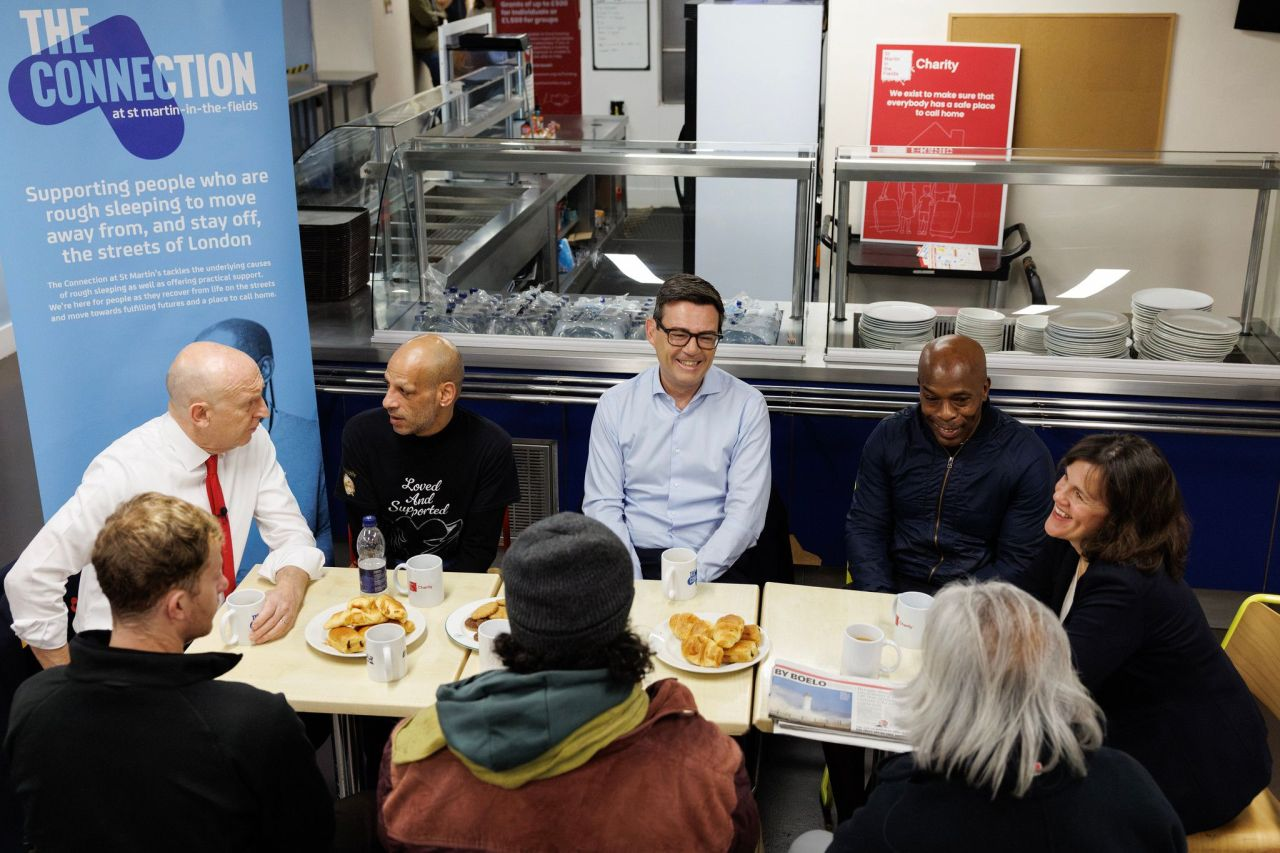
Across London and the UK, day centres for people experiencing homelessness and rough sleeping have long served as essential safety nets for individuals in difficult and harmful situations. At The Connection at St Martin's, our Adelaide Street Centre - operating from premises just a stone’s throw from Trafalgar Square - welcomes 120 people a day. Of course, we provide immediate essentials such as hot meals, showers, and practical help with benefits, housing, immigration and employment. However, we also offer a wide range of NHS-led health services that reduce harm, address urgent physical health needs, and support access to psychological support, mental health care, and substance use treatment. Serving as an accessible "front door" and safe space, Adelaide Street is often where single adults experiencing homelessness first seek help.
Yet despite being the perfect place for crisis prevention, day centres are too often left on the metaphorical bench, or worse, blamed for facilitating continued rough sleeping, which can feel pretty tough when our aim is to reduce rough sleeping and provide a building from which partners can offer additional support. There is a clear gap between our daily work engaging with people that everyone agrees are a priority to get inside and the access we have to established housing pathways. As a result, too many people remain in our care for prolonged periods without a clear route into the housing and treatment needed to rebuild their lives.
The renewed focus on ending long-term rough sleeping and the strategic turn towards prevention provides an opportunity for commissioners and other system leaders to reframe an all-too-prevalent view of day centres as optional extras or a hindrance to reducing rough sleeping. Instead, they could invite day centres into the system, fully integrating us as key components of local homelessness and rough sleeping strategies and pathways. It’s what most day centres want.
Operating on the margins creates clear challenges. While frontline staff work tirelessly in places like Adelaide Street, systemic isolation means contact with our service does not usually lead to a rapid housing outcome. It also makes day centre staff defensive. The goal of a functioning first contact pathway should not just be initial engagement and assessment, but connecting individuals to housing solutions and specialist interventions that resolve homelessness as quickly as possible.
With us not being fully part of the team, the system is not capitalising on the positive impact day centres could be making. While day centres can provide access to healthcare and skillfully engage those often most excluded from services, the absence of clear pathways into housing leaves us focused on managing ongoing crises rather than resolving homelessness. If we had the same access to local housing pathways that outreach teams have - supported housing, the private rented sector, Housing First, the properties made available through the Clearing House system - we could get an awful lot more people off the streets more quickly. There is no better place for a statutory homelessness prevention or housing options worker to spend their time if we want to improve the connectivity between the statutory and voluntary systems of support.
One of the challenges for services like Adelaide Street, with its evidence-based, low threshold access, is the homelessness system’s continuing obsession with local connection criteria. It may be important to decision makers, but people who are sleeping rough aren’t very interested in local authority boundaries. A significant proportion of people visiting city centre day centres like ours lack recognised statutory connections to the place where they are seeking help. There may not be similar support available in their home area, they may need assistance to reconnect to a place they have lived before, or it may not be safe for them to return. Some people sleeping on the streets have moved around so much, for so long, that it is really difficult to establish any local connection at all. Whatever the reason for their presence in our service, barriers to housing and support that are linked to local connection can lead to people being excluded from the limited housing pathways that do exist, leaving individuals trapped on the street without a clear route into housing options.
When day centres are formally recognised and resourced as core components of local homelessness strategies, the broader system operates more effectively. We are already working with some of the people that outreach teams struggle to find. We already have relationships with those that are suspicious of services. Rather than allowing rough sleeping to become prolonged, commissioned and statutory services can build on the trust established inside places like Adelaide Street to resolve housing crises sooner. By embedding day centres into strategic plans and pathways, commissioners can help shift these valuable community hubs from safety nets into proactive entry points for housing resolution and lasting recovery.
By putting day centres on the pitch, with a clear role within the team, we are likely to see them playing a blinder.
- Pam Orchard is CEO of The Connection at St Martin's


