Share This Project


Cash Transfers for Care Leavers
About this study
This is the first completed trial of unconditional cash transfers for any population affected by homelessness within the UK to reach a sample of sufficient size to draw quantitative conclusions. People with experience of the care system are vastly over-represented among those experiencing homelessness. Research has found that one in ten people sleeping rough in London were care-experienced, and more than a quarter of young people leaving care had experienced sofa surfing.
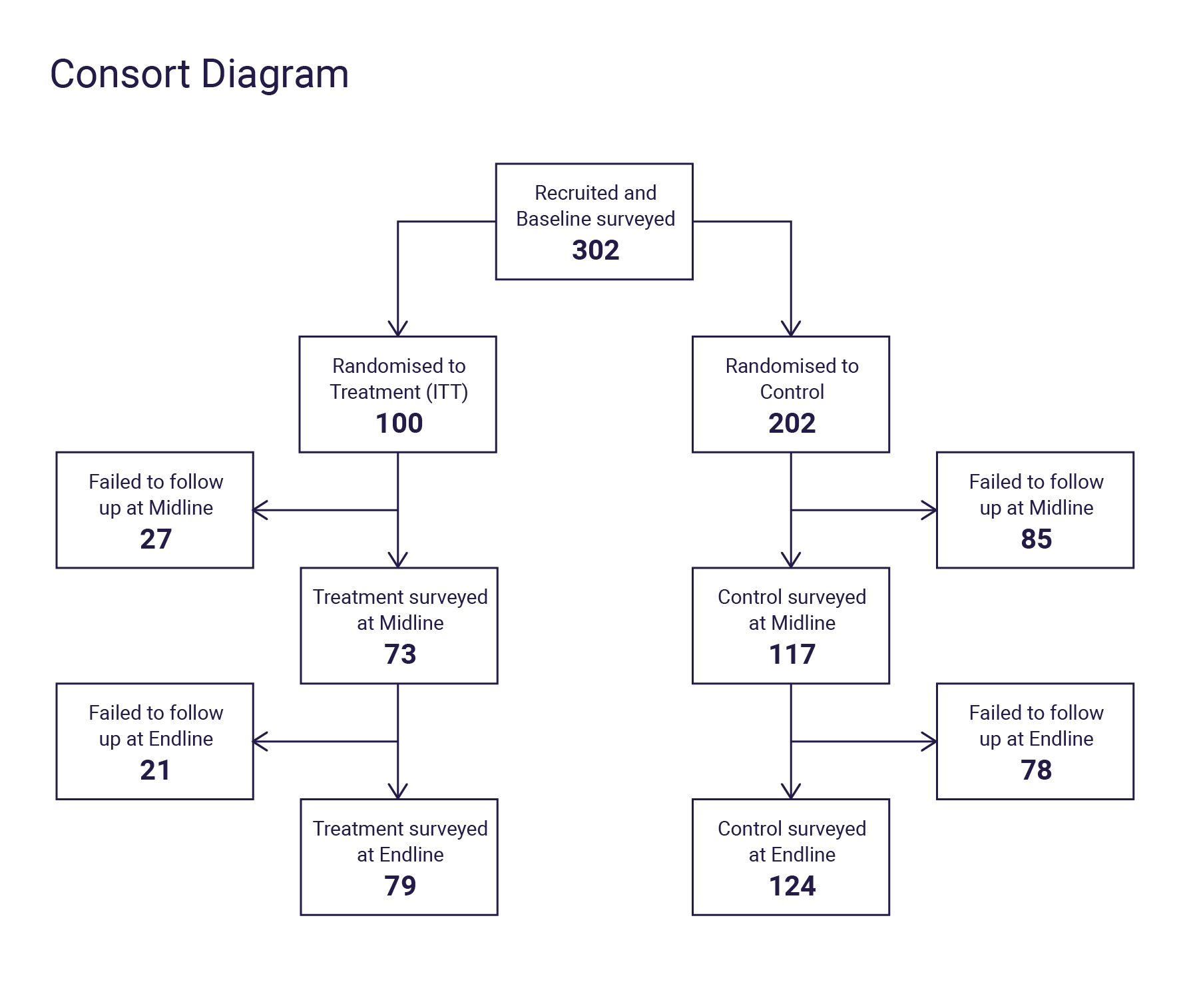
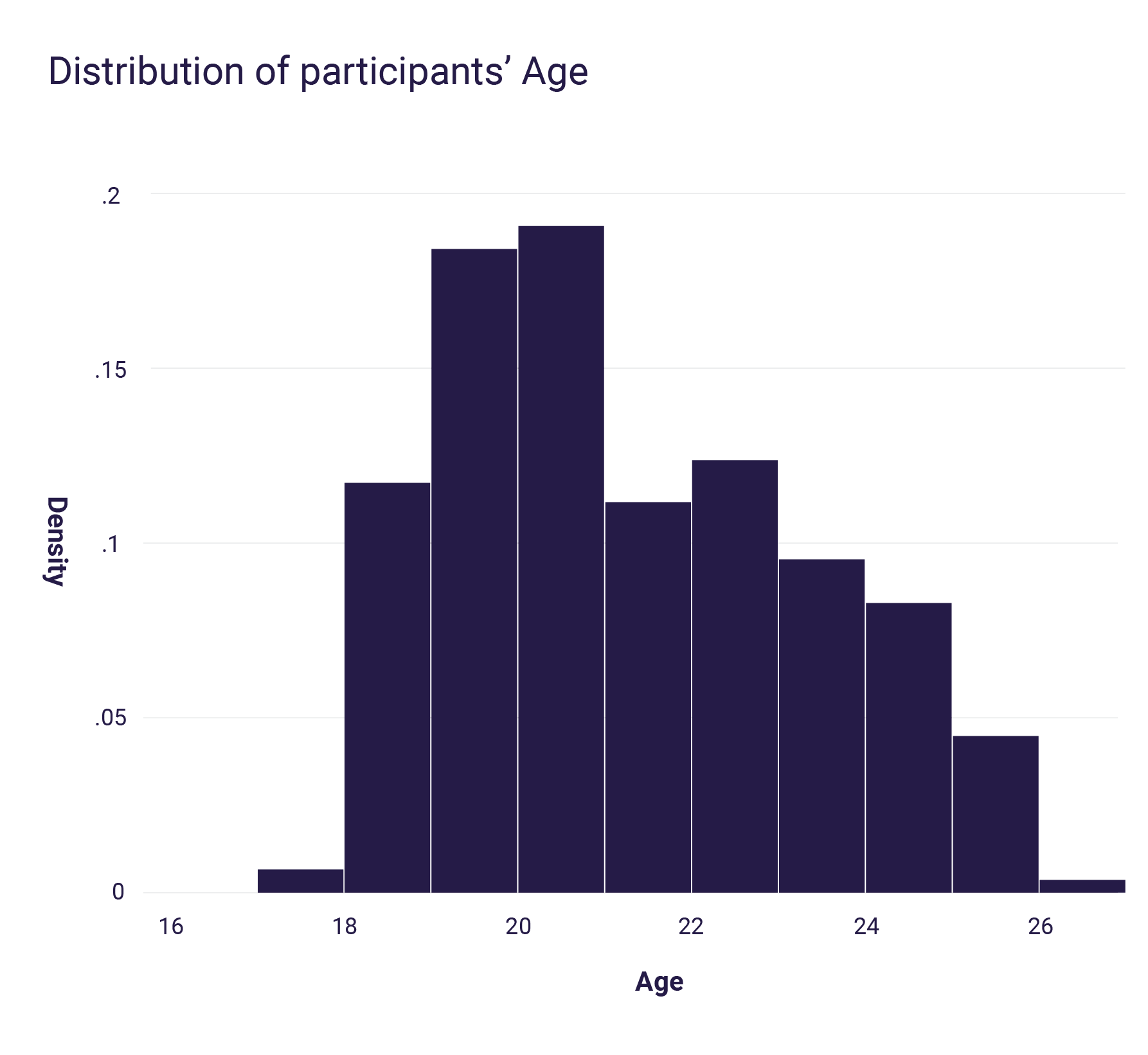
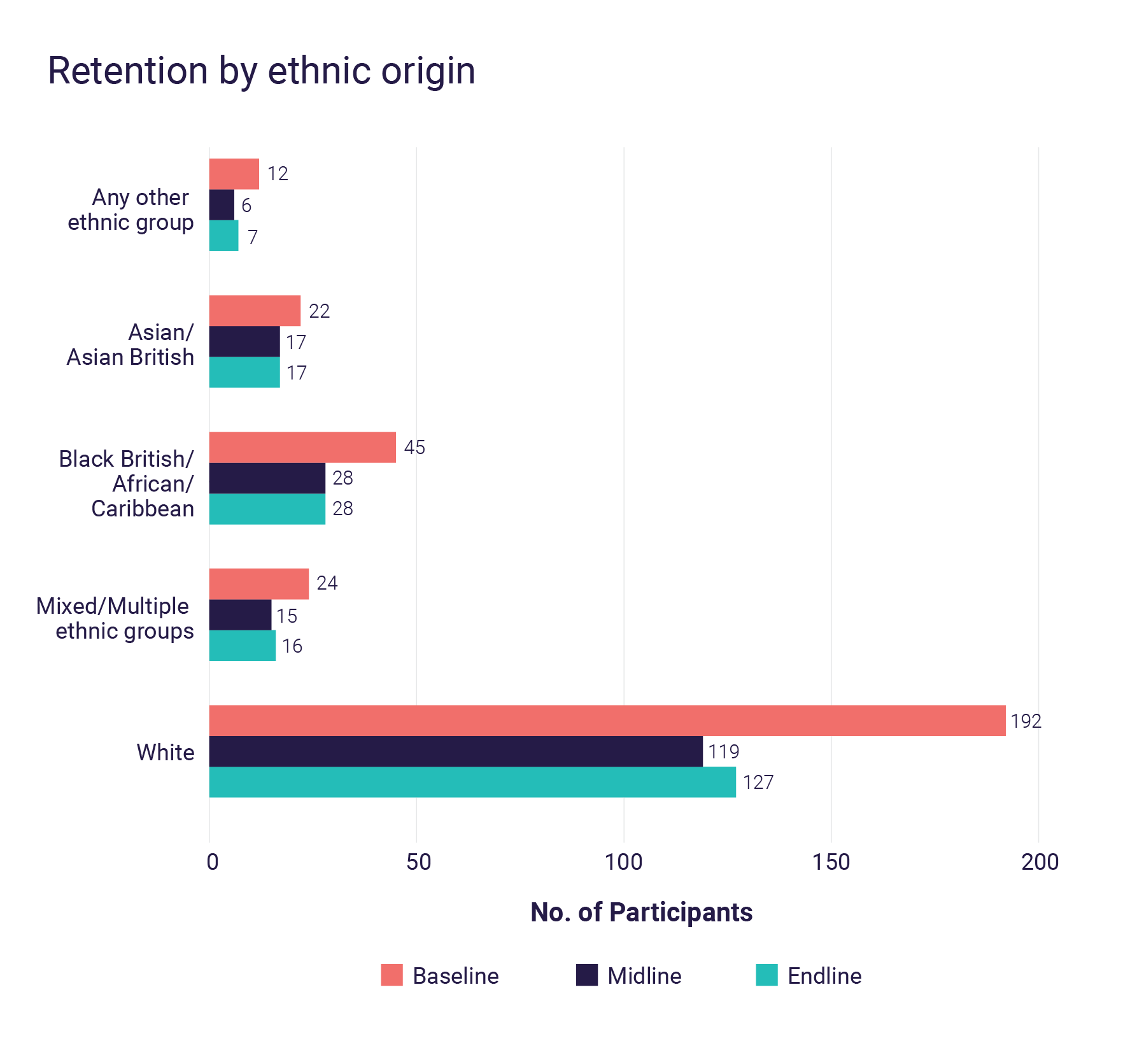
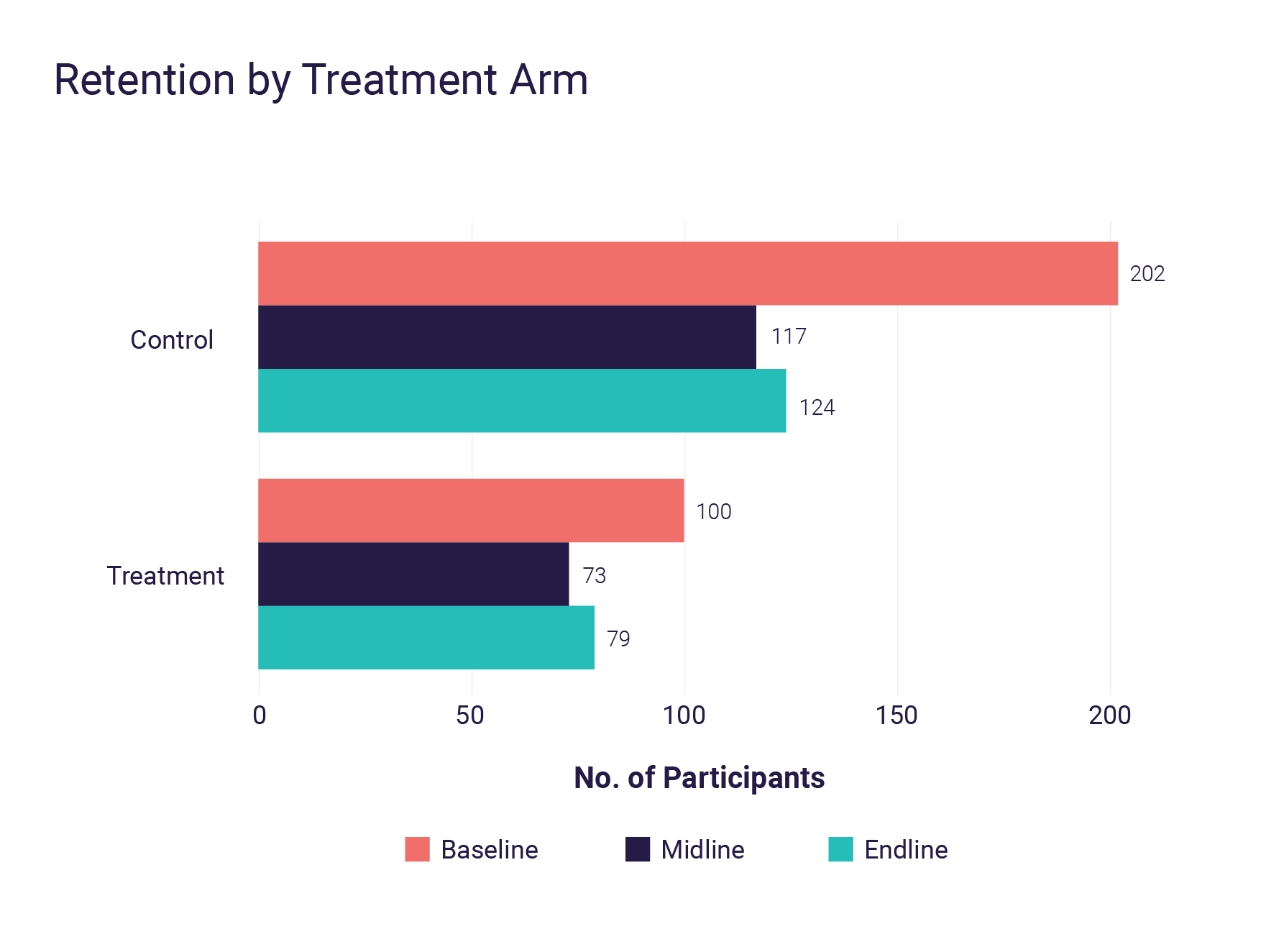
This randomised controlled trial, run by the Policy Institute at King's College London, tested the impact of a one-off £2,000 unconditional cash transfer to care leavers in England. 302 participants aged 18–25 were recruited across nine local authorities. 99 received the cash transfer; 202 were in the control group. Participants were followed up at six and twelve months, with outcomes measured across housing security, financial wellbeing, subjective wellbeing, social connectedness, and contact with health and criminal justice services.
Findings In Brief
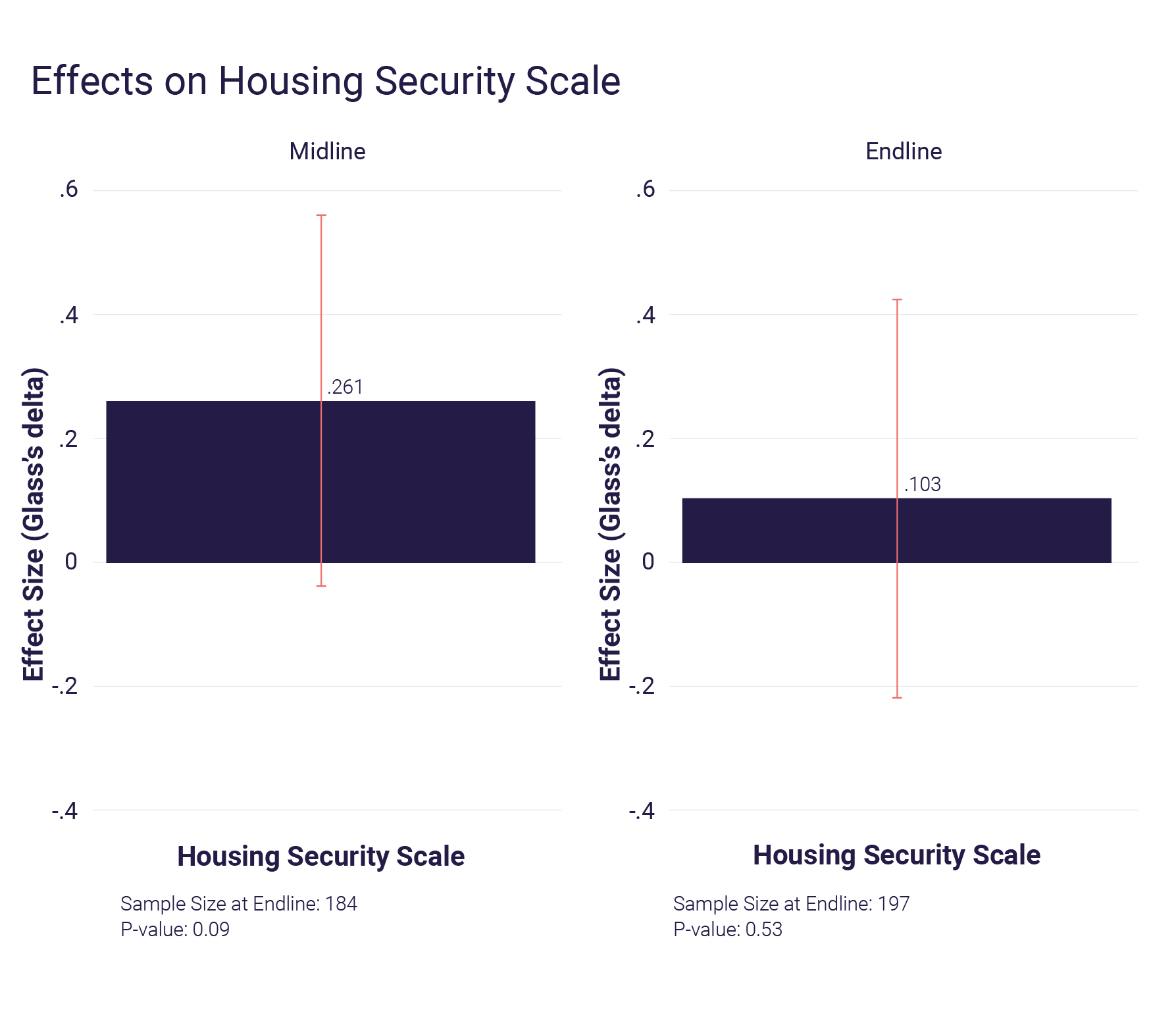
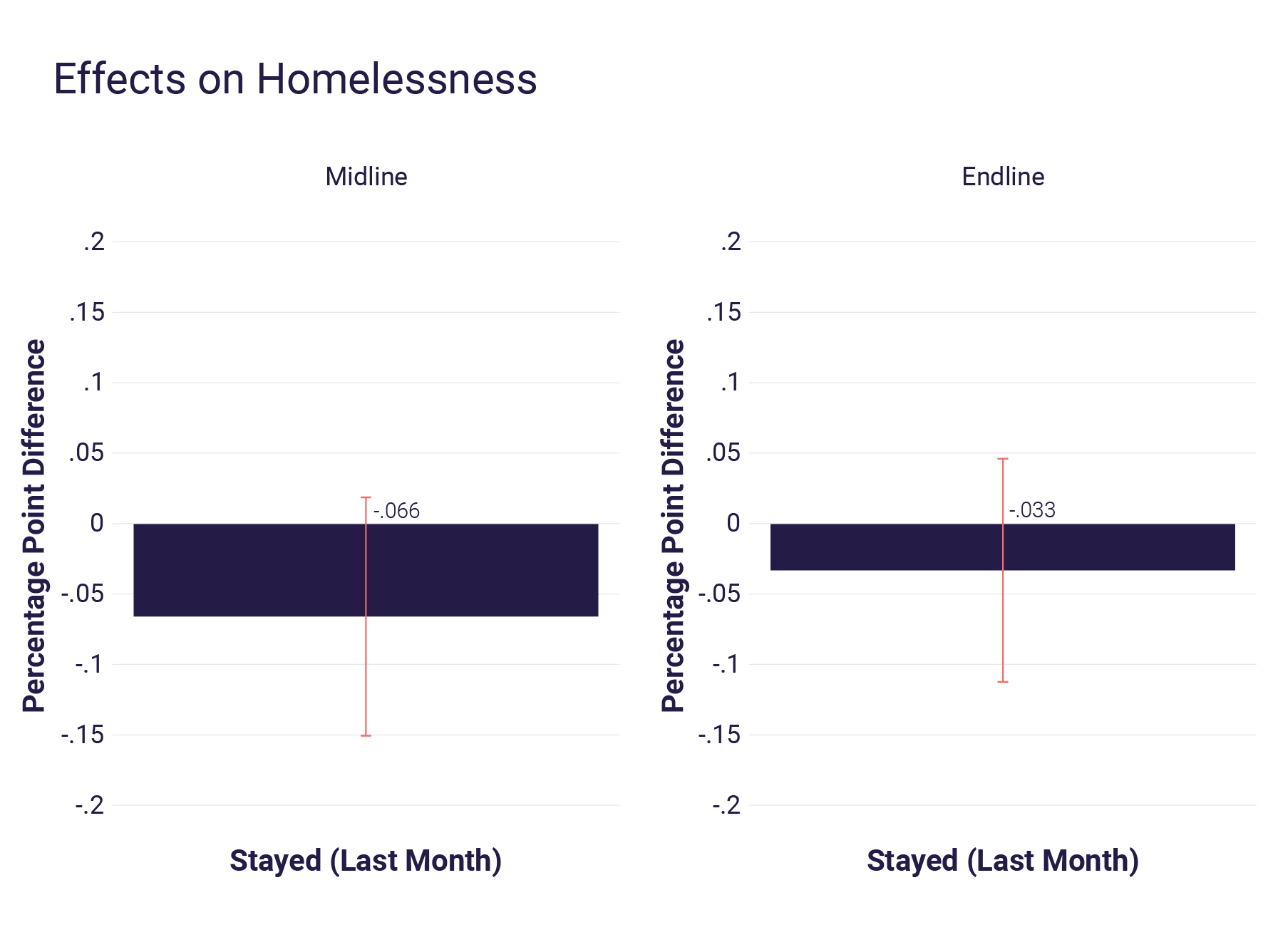
• Care leavers who received the cash transfer were more likely to be in stable housing six months later and less likely to be sofa surfing, the equivalent to around eight more care leavers in every 100 having stable housing six months after receiving the payment
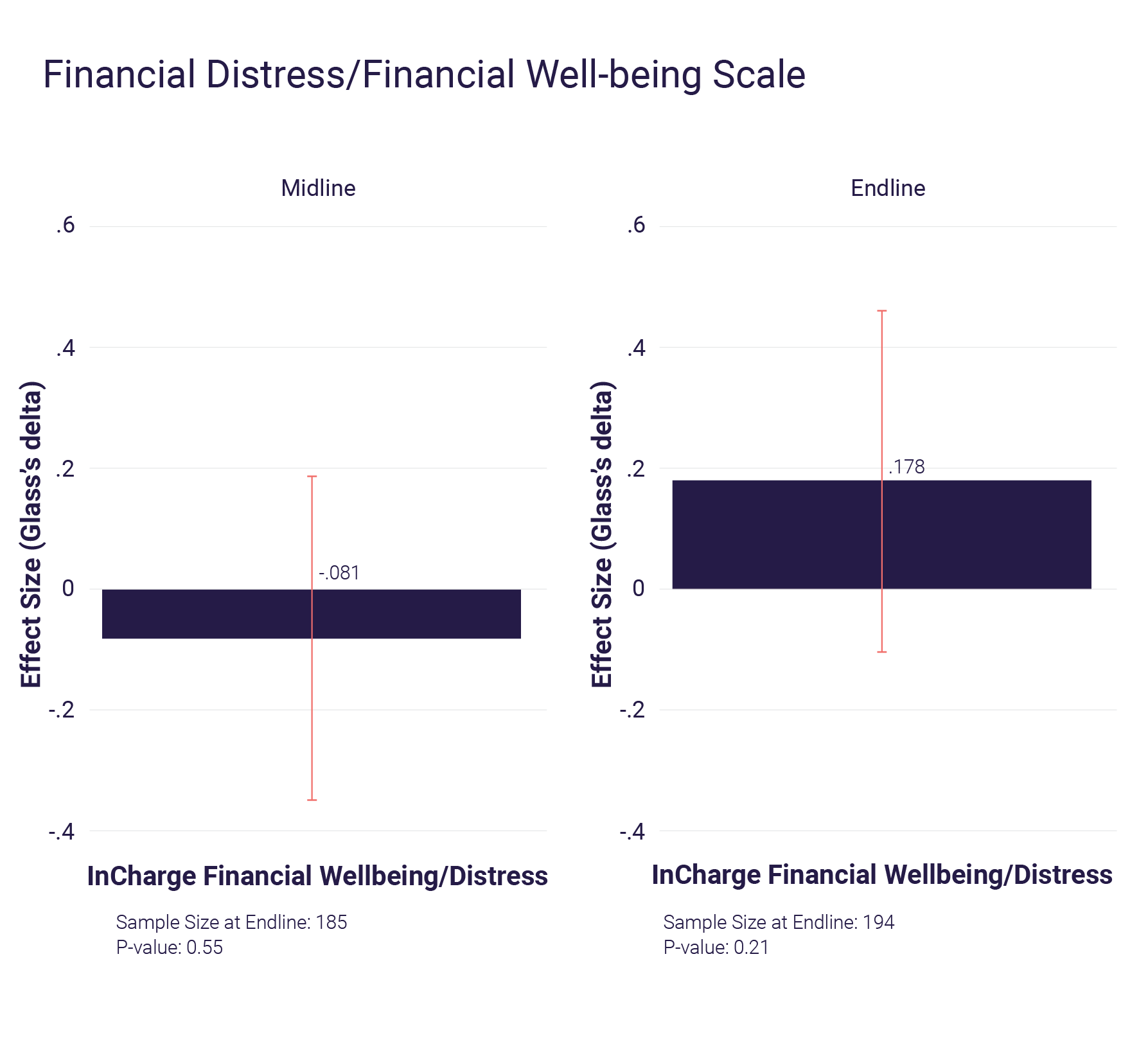
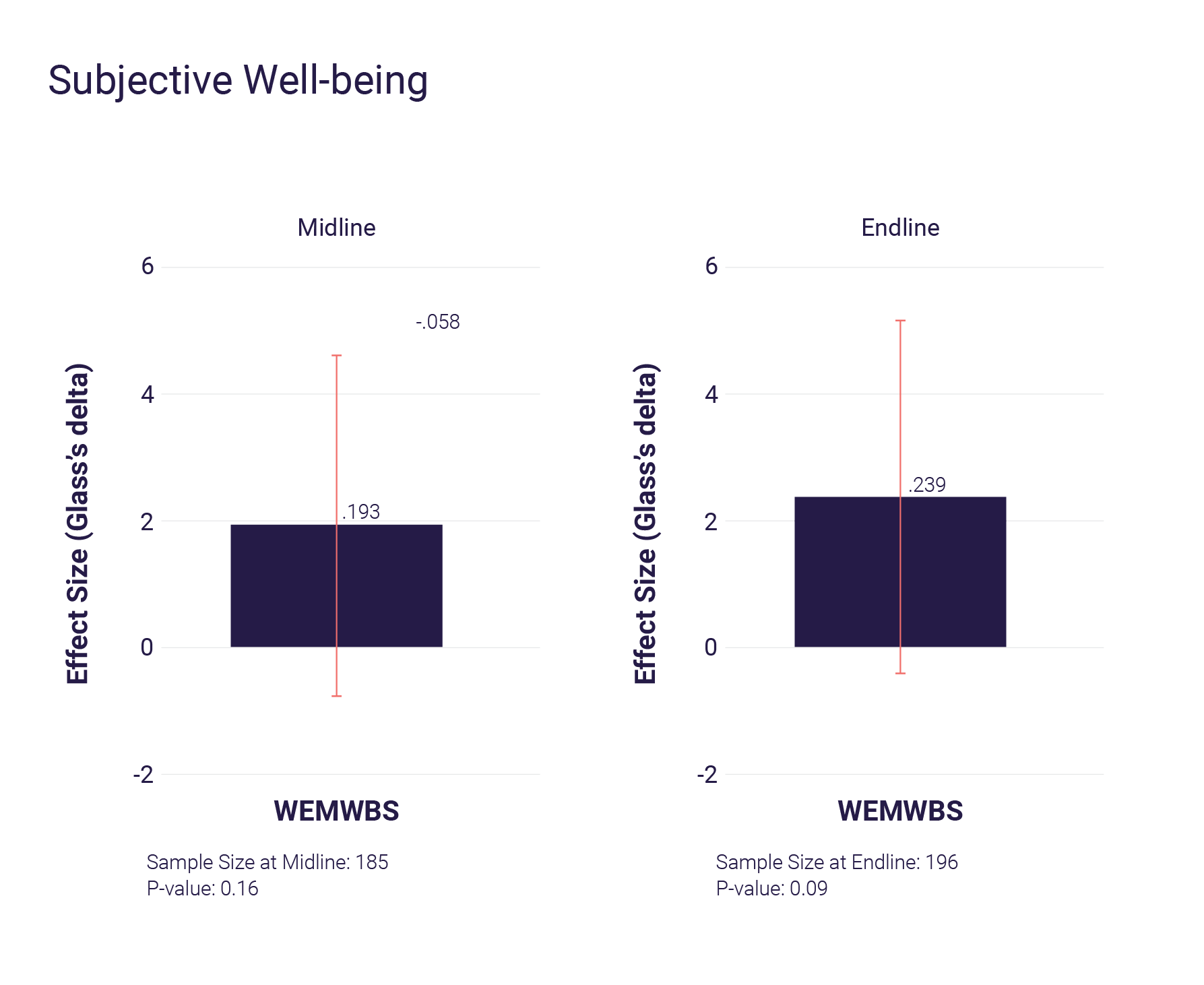
• Young people who received the money reported better wellbeing over time, equivalent to between three and five more care leavers in every 100 saying their wellbeing had improved one year later
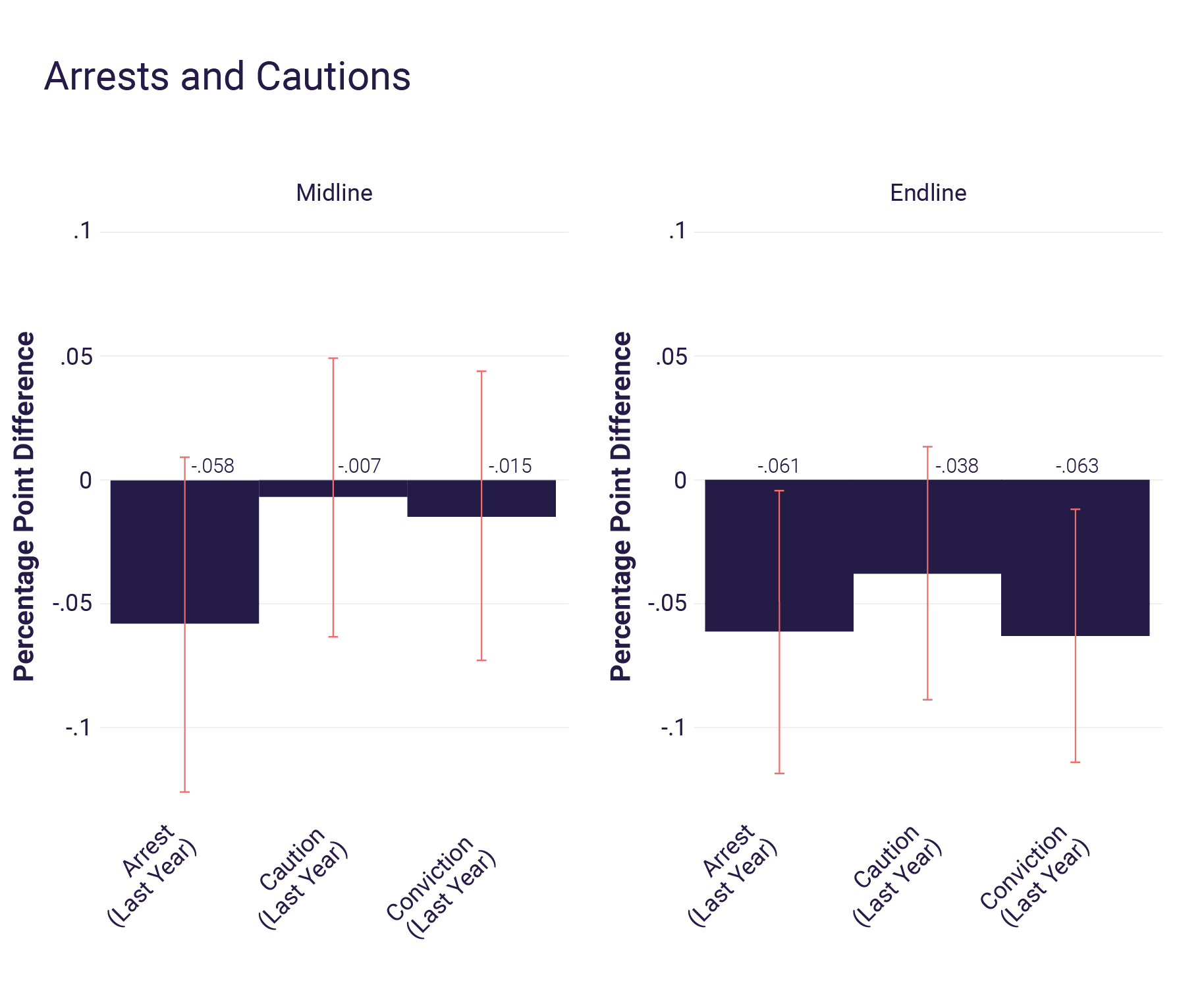
• Young people given a cash sum on leaving care were six percentage points less likely to be arrested or have a criminal conviction, though base rates of criminal justice contact were low across both groups
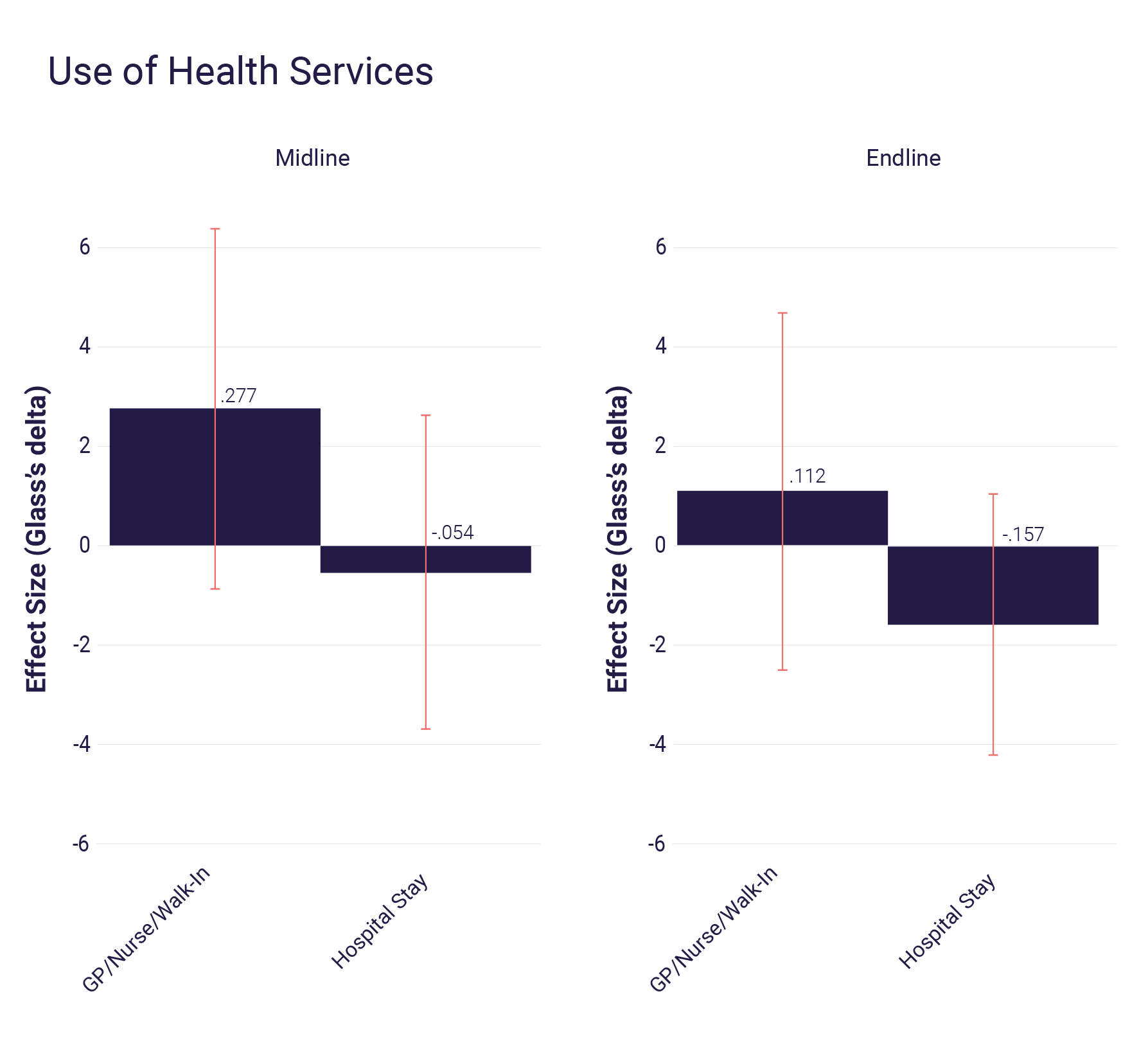
• Findings on health service use suggest participants may have shifted towards greater use of preventative primary care, with a reduction in overnight hospital stays at twelve months
• Social workers were required to inform researchers of any adverse outcomes among trial participants, none were reported
Recommendations in Brief
• The government should commission a larger randomised trial of unconditional cash transfers for care leavers. This trial provides the first experimental evidence in England on the effects of this intervention, and its findings are consistently encouraging. A larger study is needed to build a sufficiently robust evidence base and enable future meta-analyses
• Policymakers should consider how one-off transfers can be complemented by ongoing support. The reduction in housing effects between six and twelve months suggests a single payment alone may not be sufficient for lasting change. Future trials should test whether higher amounts, staged payments, or integration with wider support packages can extend positive outcomes
• Local authorities should ensure flexible delivery mechanisms are in place when implementing cash transfer programmes. The varying circumstances of care leavers mean that a one-size-fits-all payment model may not suit all participants. Programme design should allow for alternative arrangements where appropriate
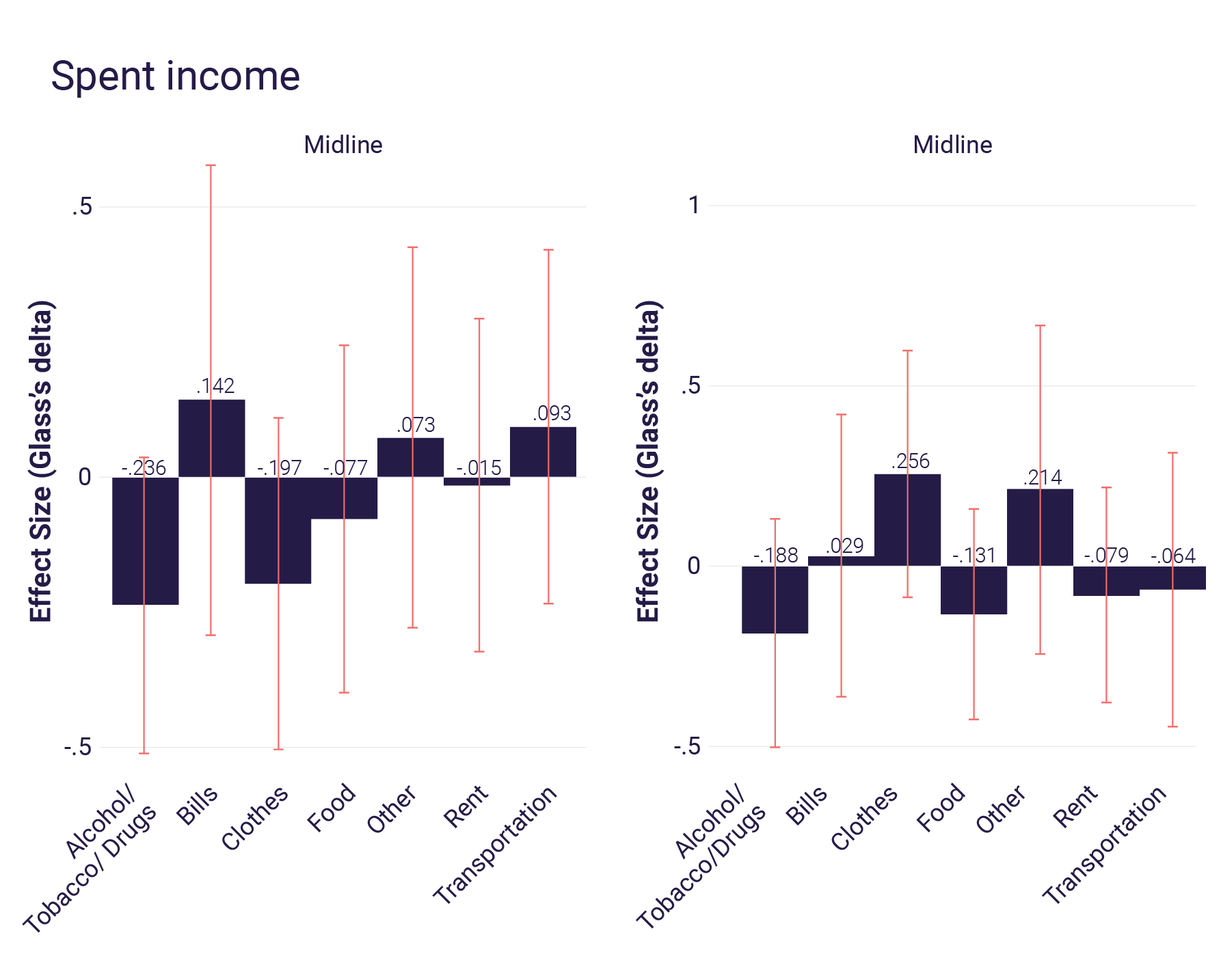
• Future evaluations should build in longer follow-up periods and pre-specified analyses of spending, income, and specific homelessness outcomes from the outset, to capture the full range of effects suggested by this trial
.png)